Posted on Leave a comment

Trouble with Hens

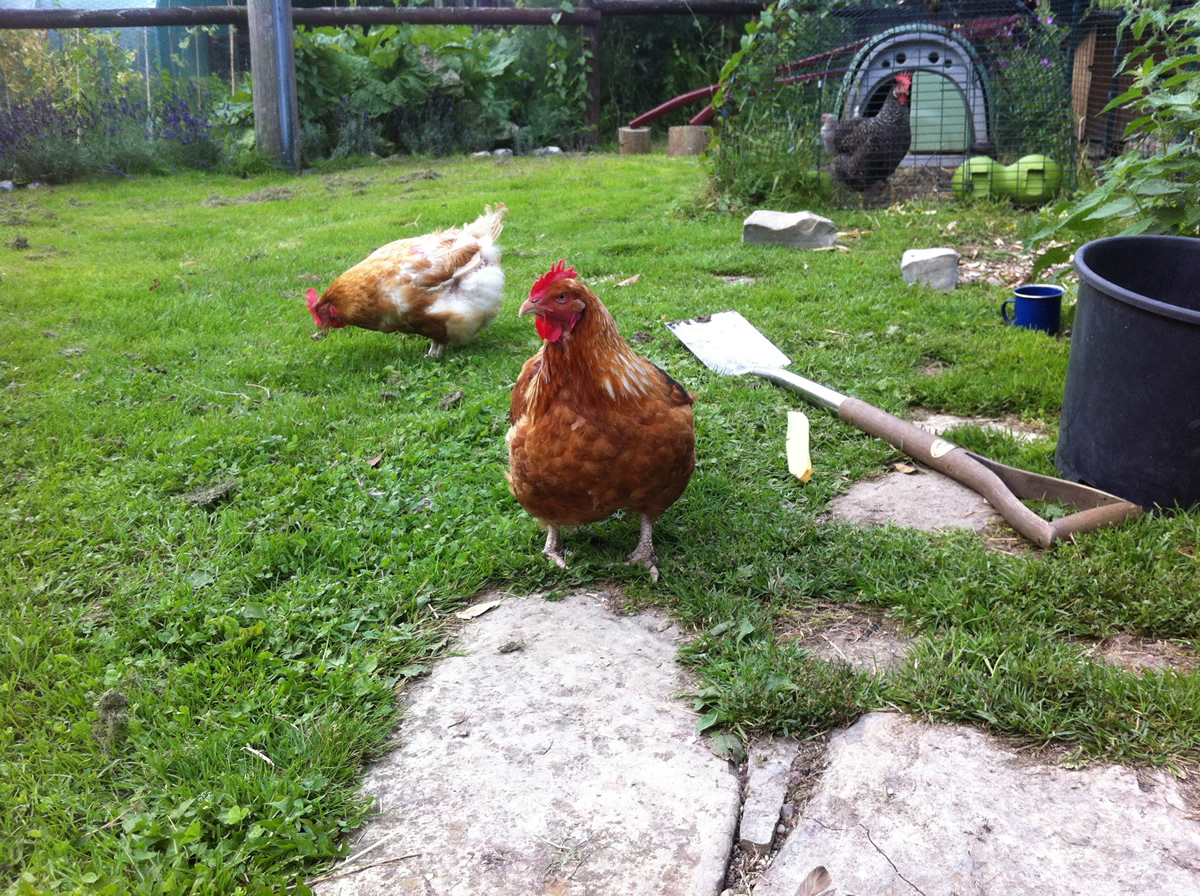
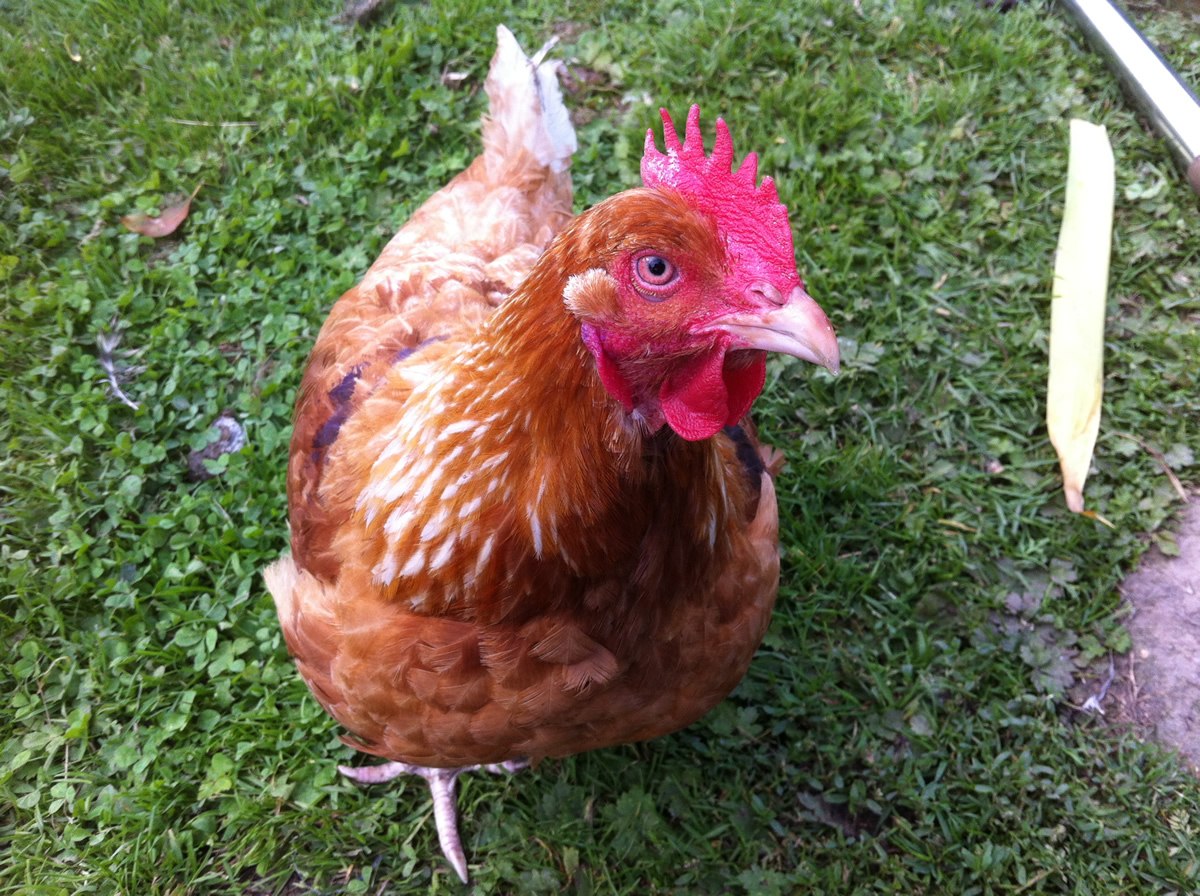
Little Red

In June, we got 4 ex-battery hens to complement our flock.  We also wanted more eggs and with one hen getting on a bit and one with chicks, we were down to two laying hens.  We have had ex battery hens before (we got 5 when we moved here) and it is great to give them a taste of the outside having spent their lives imprisoned indoors.

Of course, merging hens is never easy. But we have quite good facilities, about 20 square metres of foxproof runs divided into 3.  We can create one mega run of 18 square meters, but we keep the small run separate for emergencies.

Just as well!

We put the 4 ex batteries newbies into a run with the one survivor from the last batch of ex batts.  She wasn’t impressed, but with odds of 4 to 1, and the chance of company again, she soon settled.  We’d had to separate her because, after an illness, she became a target for the other hens.  She soon established herself as top of this little flock, though.  All in all, they seemed really chilled and enjoyed stretching out into the sun.

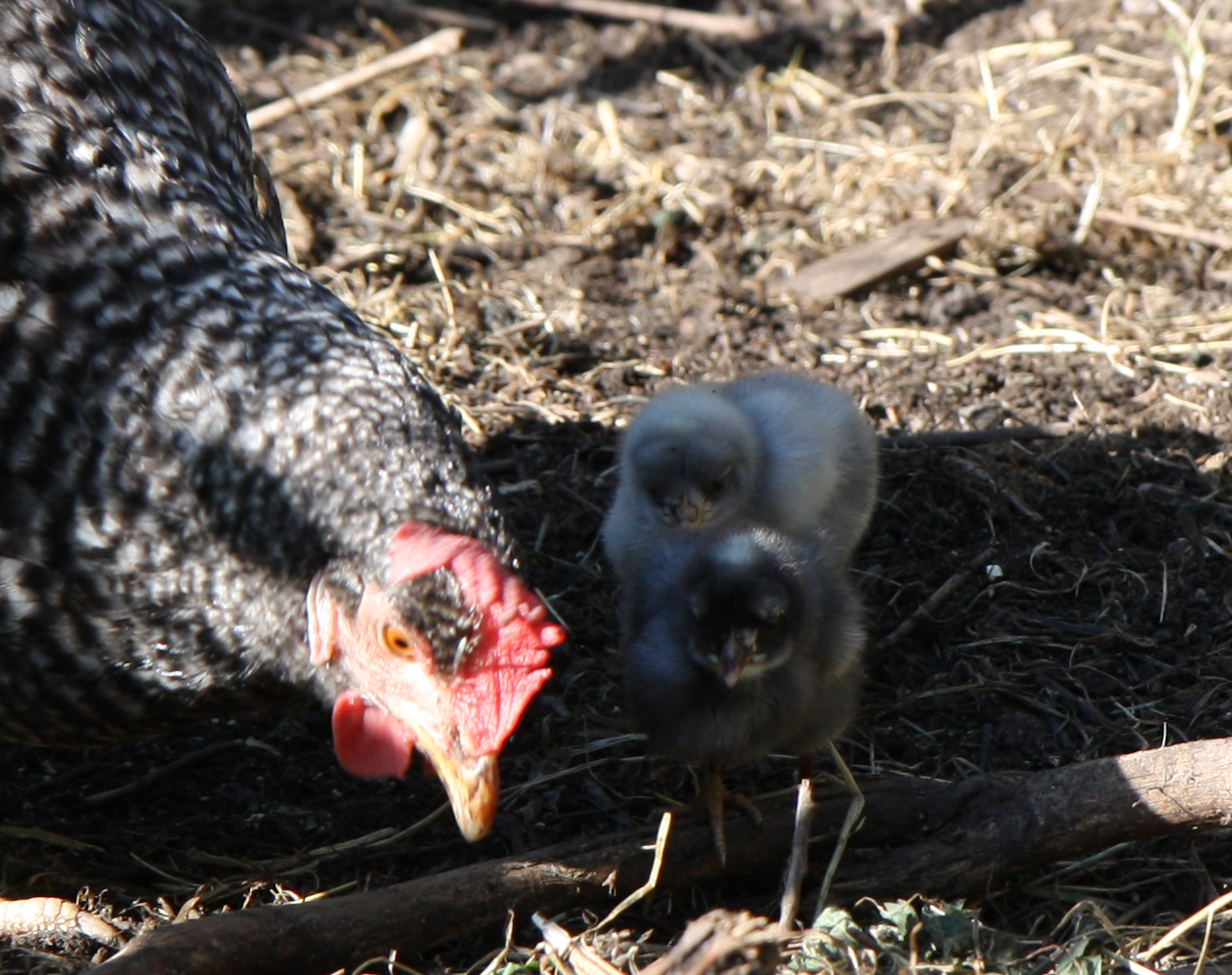
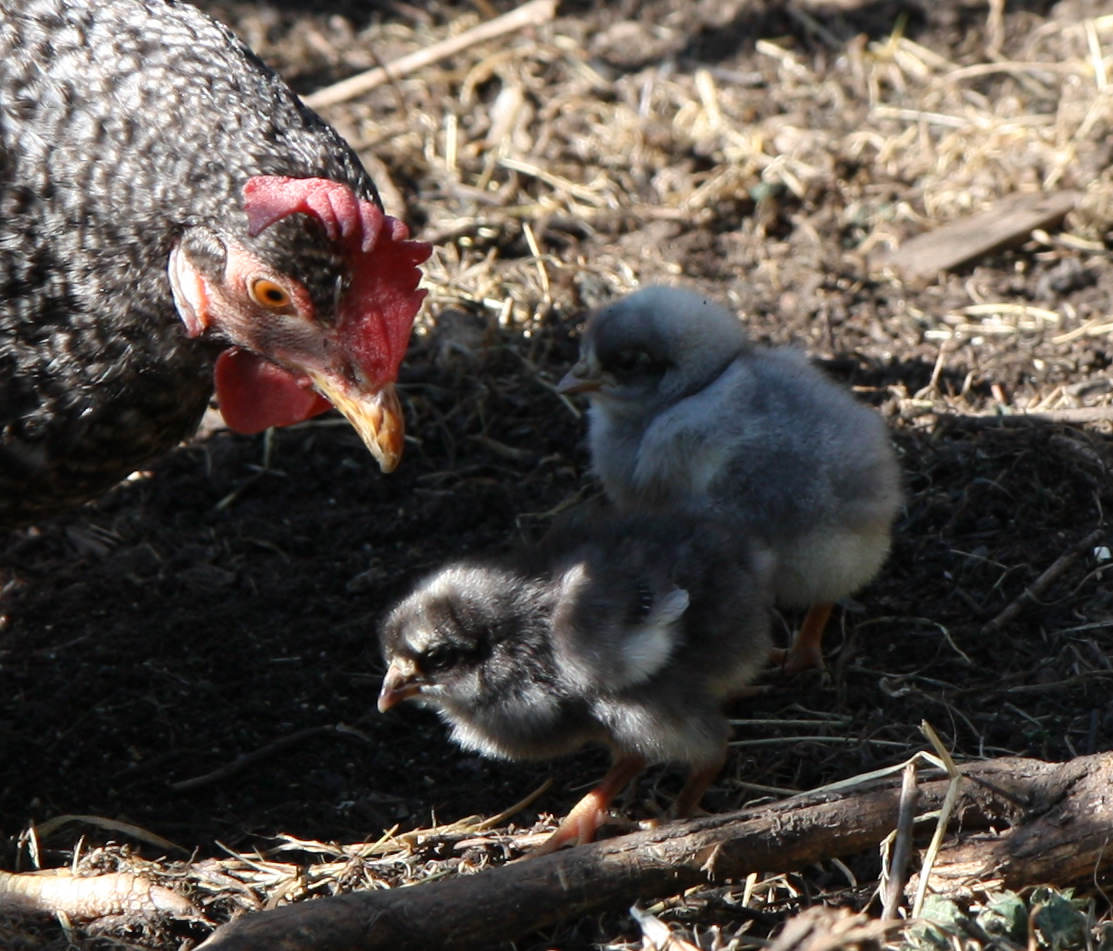
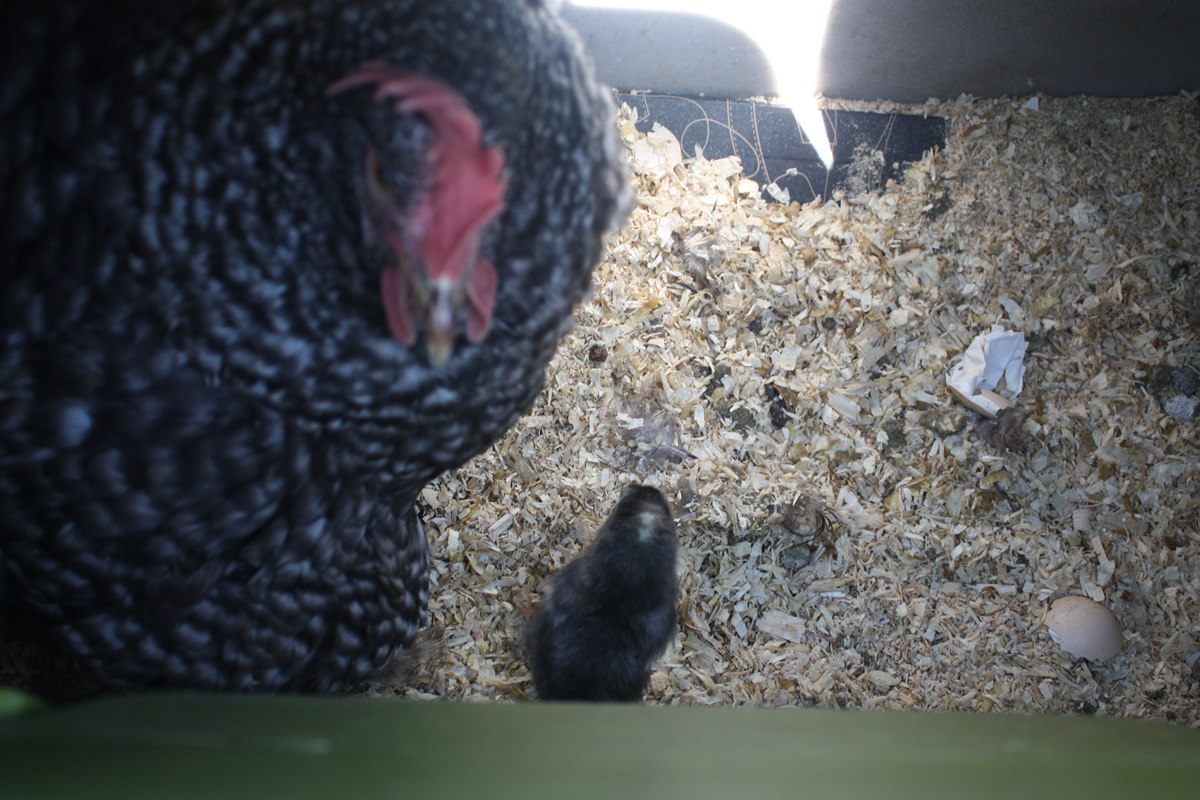
Meanwhile, next door, the 2 chicks were growing well and Hattie was proving herself an excellent mother.  I always feel it’s easier to keep the chickens in with the other hens as it saves having to merge them in later.

The setup allowed the two flocks to get to know each other but with a fence inbetween them.  As you may know, hens are not very welcoming to newcomers and will try to kill them.  So the ex batts need time to build their strength up.

Now, none of the hens were getting out.  The grey hens couldn’t come out as the chicks would have been easy targets for birds of prey and cats.  The ex batts needed to settle in.

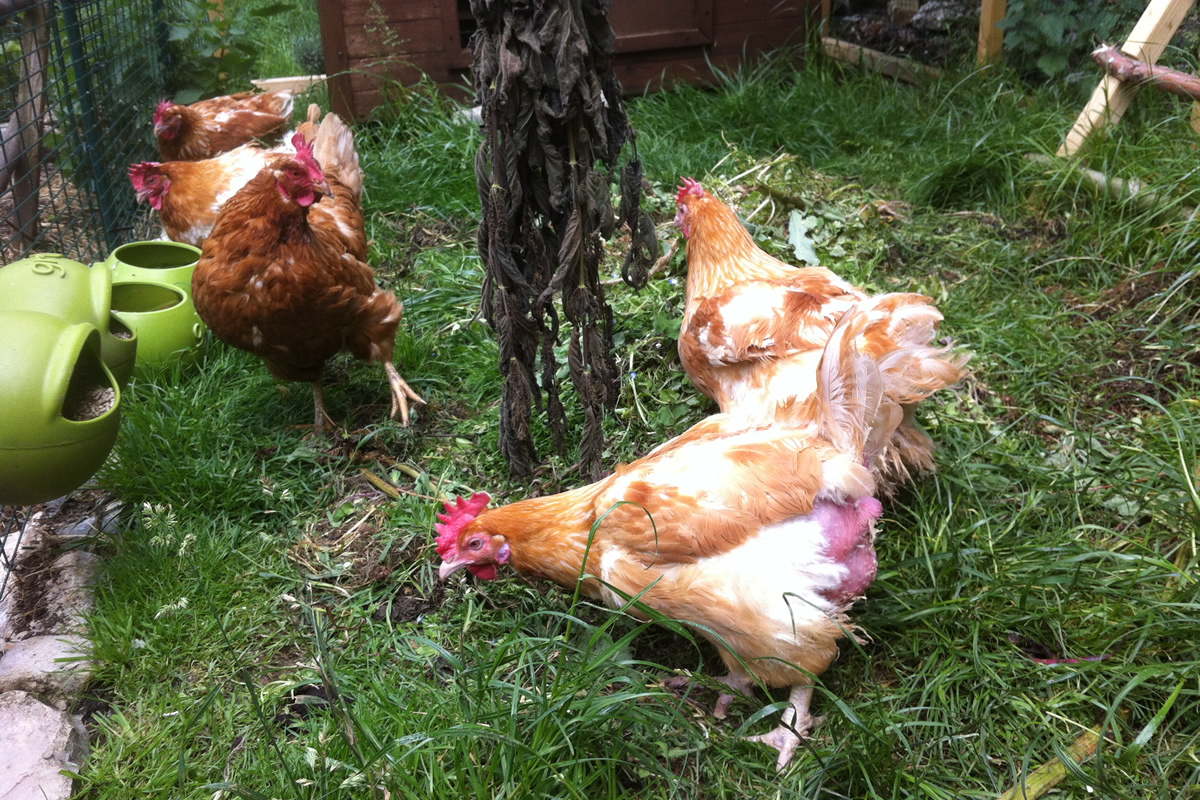
Then, the trouble started.  One hen (Daisy) got a bit over-enthusiastic about establishing her place as number 2.  She drew blood from Little Red. Emergency!!  Hens and blood, bad mix.  They are birds of prey and once they have drawn blood, they will keep going.  It can turn into hen cannibalism.

So we removed Little Red, treated her wounds, and put her in the small run.  So far so good.  Only, then Daisy turned her attention on the next in line and so Alby was suddenly bleeding.  So Alby was removed, treated, and put in with Little Red.  Only then Little Red turned on Alby.  So finally, Daisy was isolated and the other two returned to the main run.

That was OK, but could only be a short term solution. If we kept Daisy apart too long, it would be hard to merge her back in.
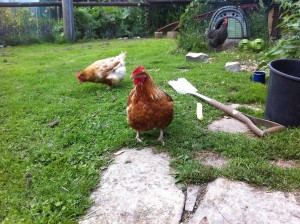
ex battery hens out and aboutSo, we let them all out to free range (the newbies that is, the original flock remained in the run due to the danger to the chicks).  That helped a bit, but poor old Little Red kept getting pecked.  We treated her, sprayed her with purple dye and hoped for the best.  We separated Daisy while they were in the runs (they are only allowed out when one of us is here – foxes – we can let our big guard dog out with them to keep them safe). It worked, with the stimulation of being out, Daisy became less aggressive.

Peace, at last, only…  red mites!!!  Dealing with the other issues, we’d taken our eye off the ball and now had to treat a red mite infestation.  Thanks goodness for Smite and plastic, easy to clean hen houses.  All were stripped down, sprayed, cleaned and then dusted with anti-red mite powder.

Then, Hattie, mother of the chicks, went ape and started bullying the other adult hens, big time.  The cockerel just seemed to let her (don’t believe what you read about cockerels keeping the peace).  She drew blood!

So, a careful operation, totally unplanned, was put into place and somehow, with the minimum of fuss, Hattie and her two chicks were placed in the small run and Daisy returned to the main run.

Calm descended.

The good news is that we can now let the original flock (minus Hattie) out so they will be very pleased.

And this weekend, we may go for the big merge.  Watch this space!!!
 

Posted on Leave a comment

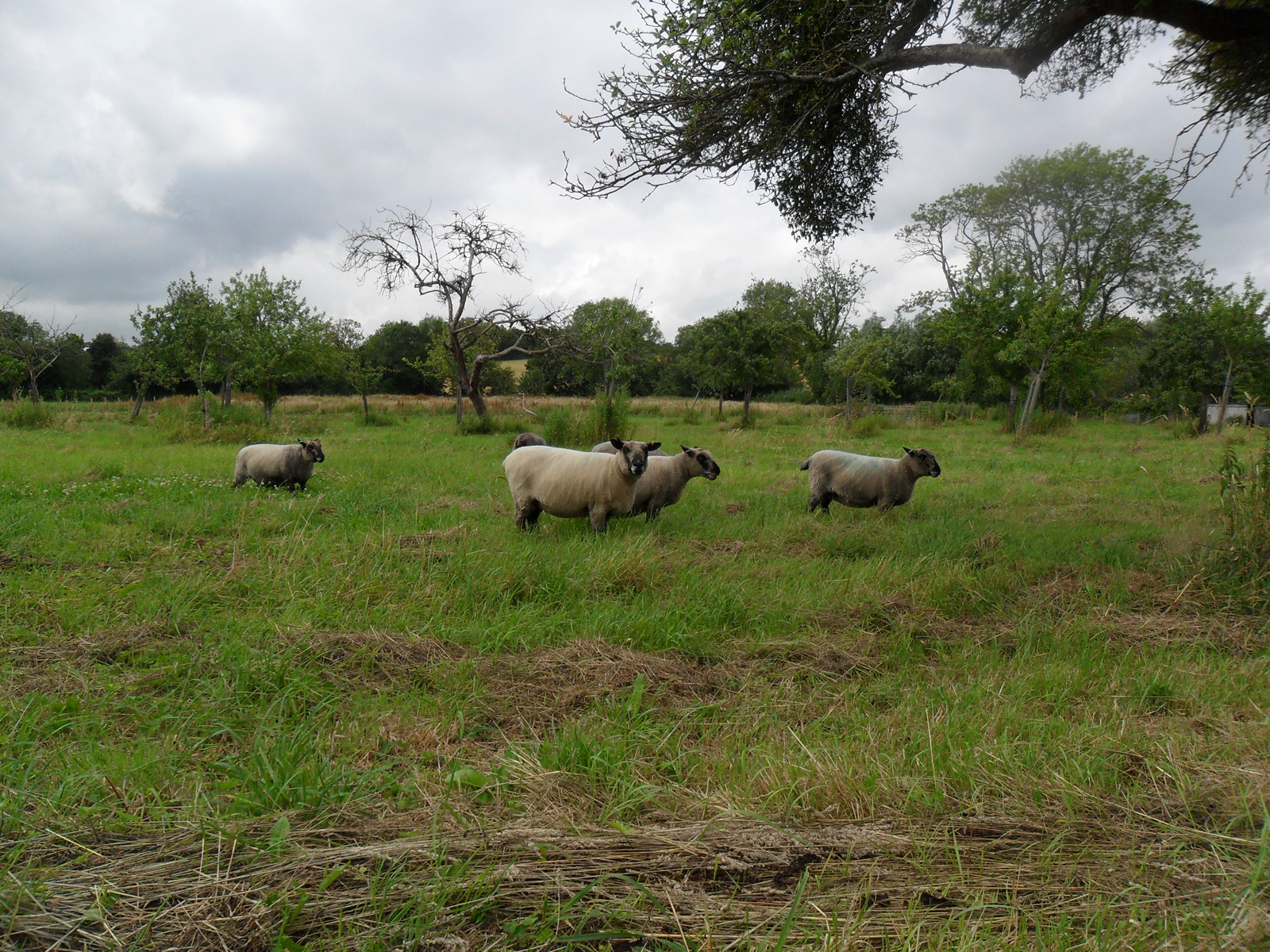
Sheep moved to new field

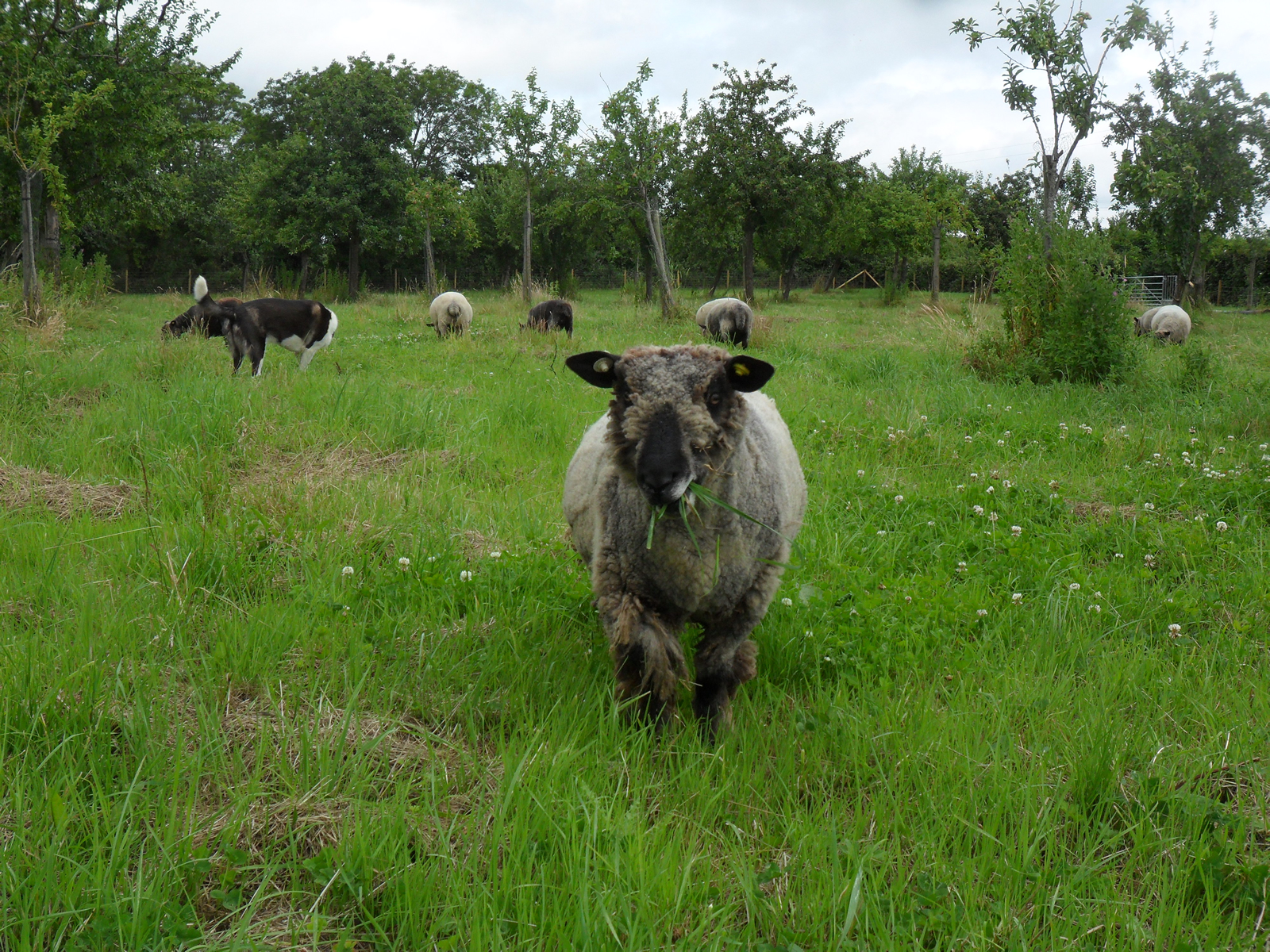
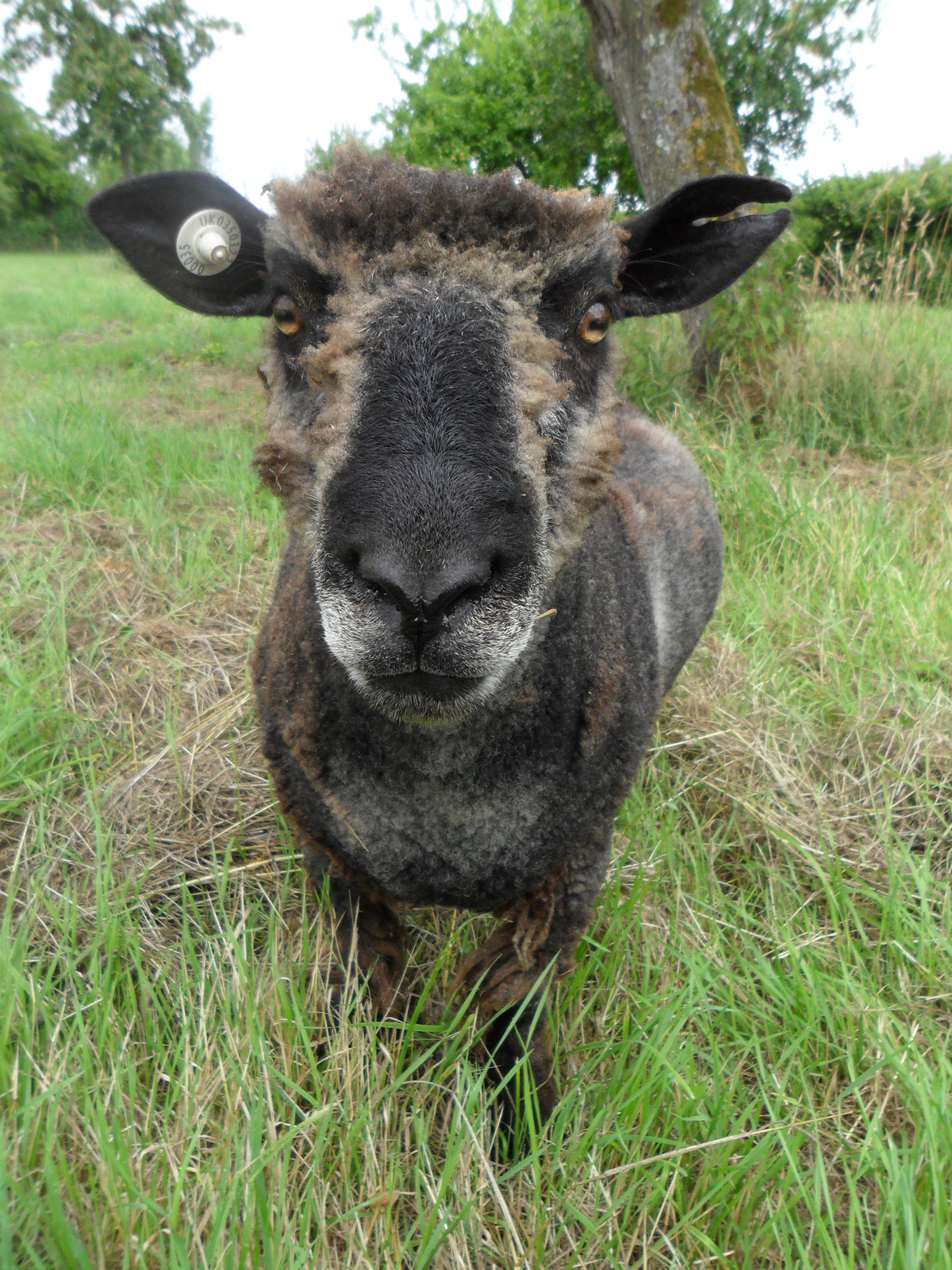
bluemli coloured ryeland sheep in new field

Last year, we purchased a field around 3.25 acres in size.  We planted about an acre or so of natural woodland and a blackthorn hedge down one side.

The rest remains as orchard and meadow. Now that we have 11 sheep, our original field is a little small and so the grass was getting shorter and shorter, and shorter.

We had to act. We put in a new stock fence. The existing one was just a couple of strips of barbed wire, OK for cows but easy for sheep to get past. We mowed the meadow so as to get young, sweet grass growing and we cleared away all the hawthorn hedge trimmings. We cleaned up the water trough which looked as though it had been stagnant for centuries.  We also installed an electric fence to protect the young hedge (they do like a bit of bark, our sheep) and tested that it worked (ouch – it does!)  We also spread 5 tons of hard core under the gate as it was high off the ground and we want to keep the sheep in and dogs out (except our own, of course).

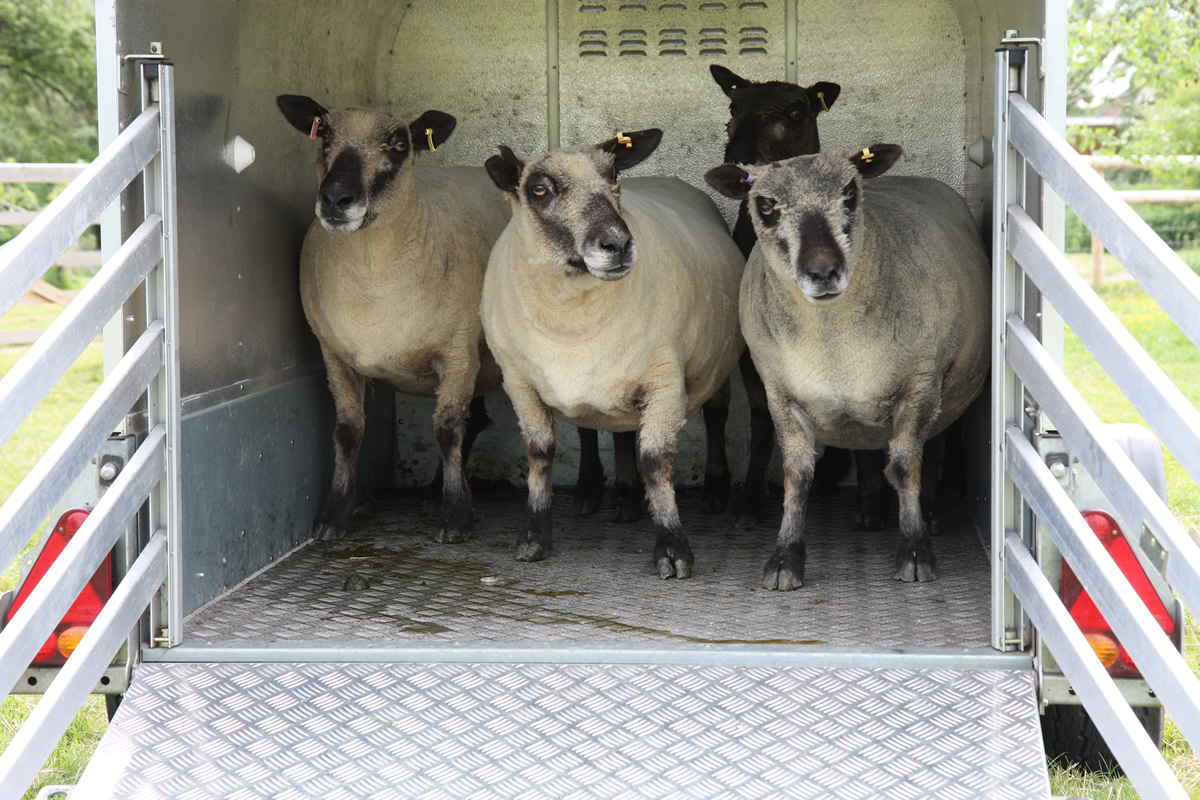
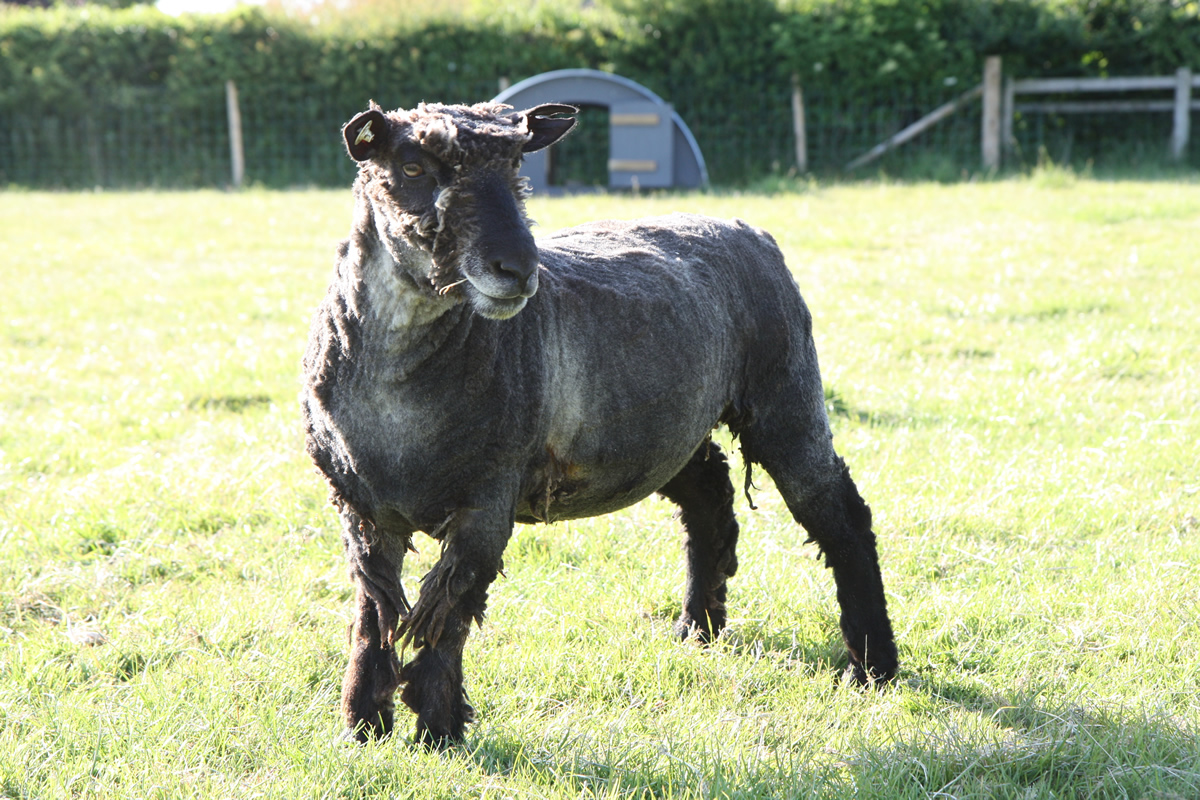
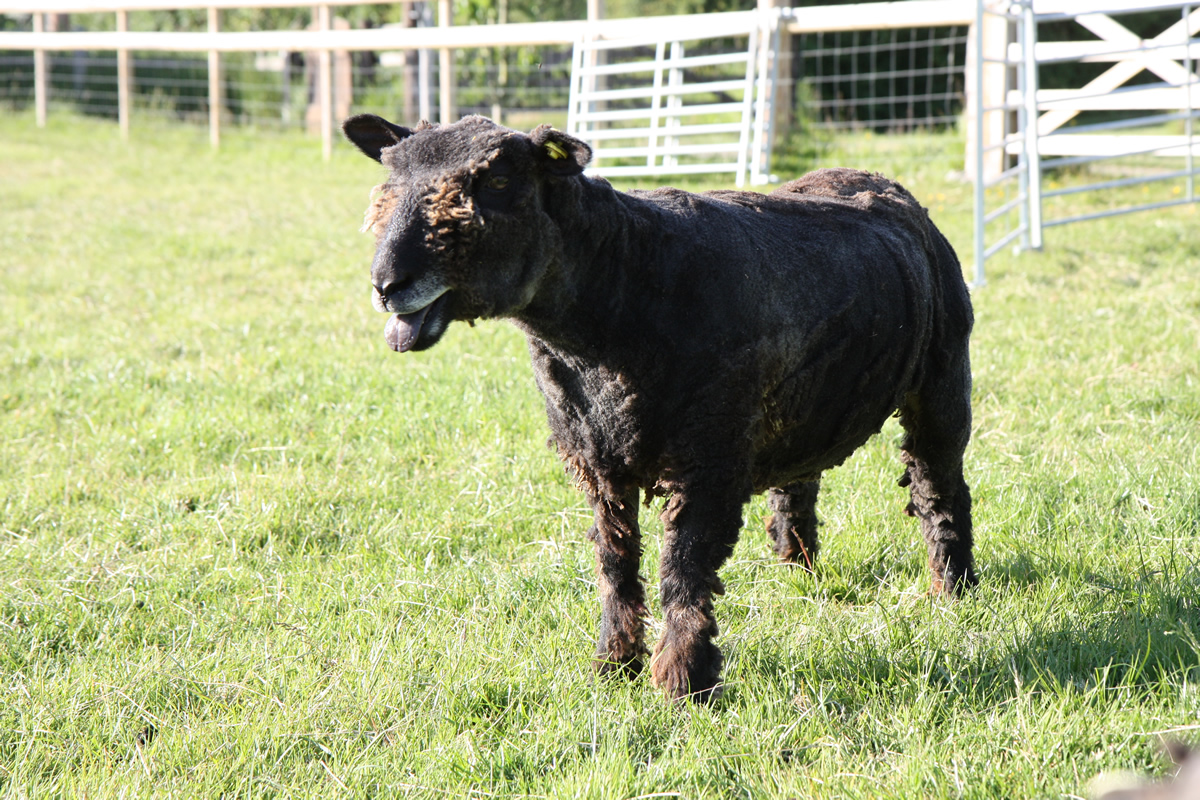
helma coloured ryeland in new fieldThen, yesterday evening, we gathered them and sprayed them to protect them from fly strike.  Then we attempted to herd them again, but this time they were less keen to be gathered.  Nevertheless, we eventually rounded them up and loaded the first batch of 5 into the trailer.  This took a bit longer than it should have as they are nippy and strong and somewhat reluctant to go into the trailer.

Now, the field may only be 3 or 4 hundred yards away so you’d think it might be easier just to walk them along the road.  Well, with three roads, two gates and a playing field entrance to pass not forgetting our questionable herding abilities, the trailer seemed the easier option.

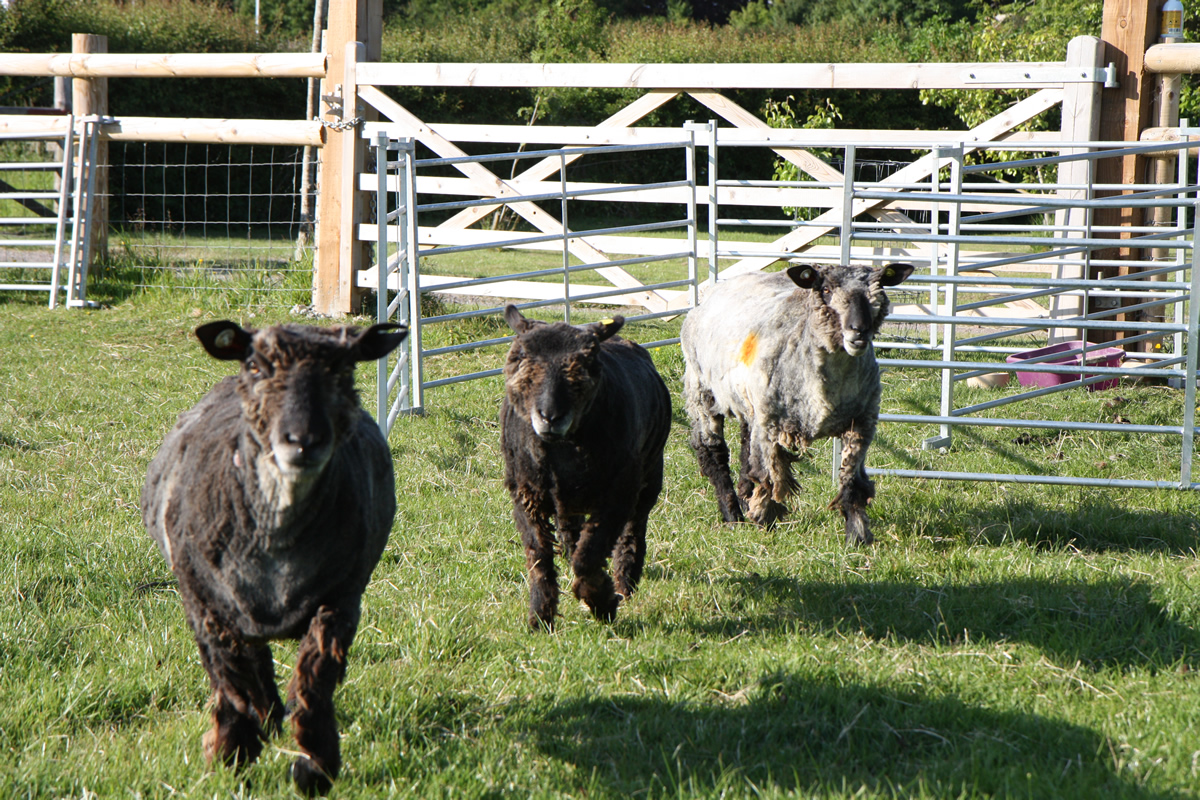
We took the first 5 up to the new field and let them out. Normally, when split, there’s a lot of bleating goes on.  But our 5 trotted out of the trailer, took one look around and almost skipped into the field.  5 heads were down investigated all this new grass.  Not a single ‘meh’ to be heard!

So, we nipped back for the other 6.  We set up the trailer, funnelled them into the race and they trotted up into the trailer without any intervention.  It was as though they already knew where they were going and couldn’t wait. Perhaps the others had sent a sheepmail, not as silly as it sounds because I have read many stories about animals communicating at a distance.

We drove them the short journey to the field.  They, too, were delighted with their new pasture and all 11 settled in really quickly.  They are really happy and this makes us happy.

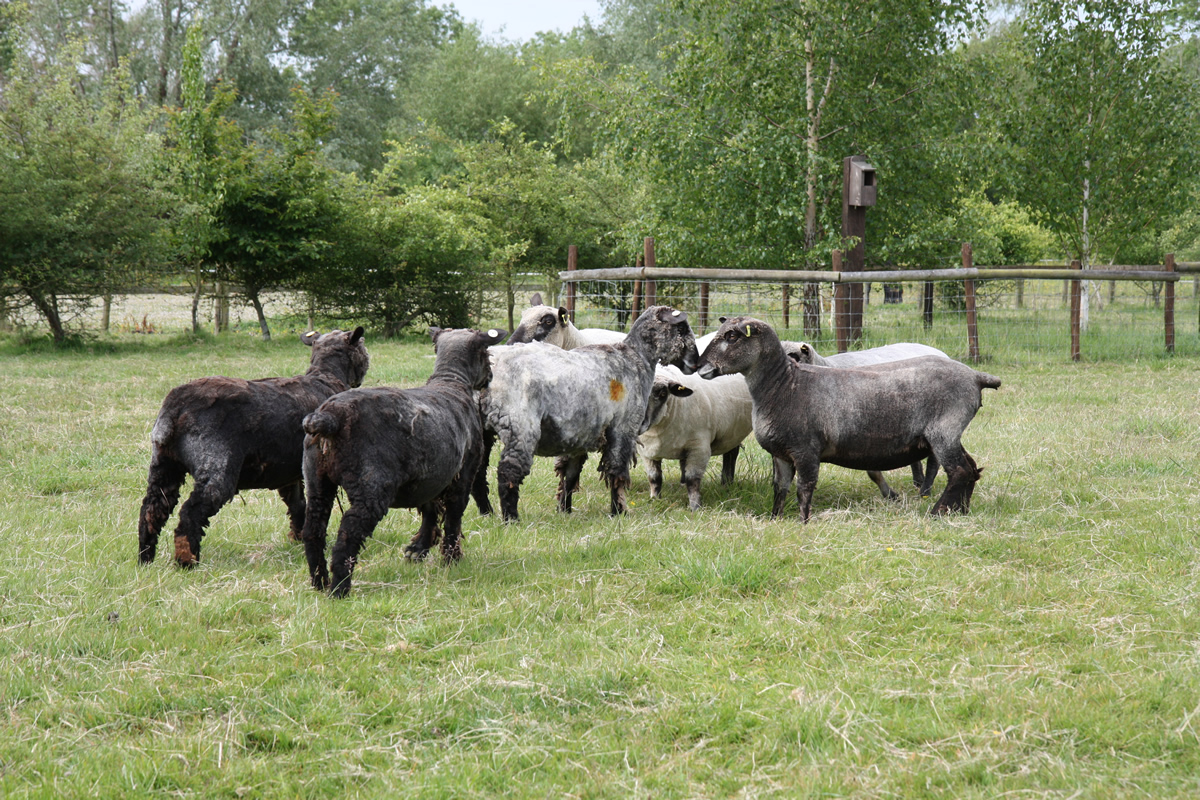
coloured ryeland flock new field

Posted on Leave a comment

New Batch of Rescue Hens

new rescue hens

Today, we collected 4 rescue hens from the BWHT.  We last got rescue hens 2 years ago when we moved here.  Last year, we added some young hens along with our cockerel.

Sadly, some of the original rescue hens have passed on, so we decided to get some more.  We drove over to North Somerset (via B&Q, as you do) and collected 4 hens.  This was their first day out of a barn, their first taste of fresh air and the first time they had seem the outdoors.

So what did we do, put them in a box and drove them home.

They were not keen on this and were especially miffed when we went round roundabouts!  One of them laid an egg en route which survived the journey intact!  We were soon home and quickly we took them to their run.  We have two runs that are side by side and the new arrivals were put in with our one remaining rescue hen, Scrawny.  They will be kept separate from the others (for now) otherwise the feathers would be flying.

The new arrivals were pretty calm, all things considered.  Scrawny was a bit put out (hens do not like meeting new hens), but fortunately did not turn violent – just a peck here and there.  The new arrivals didn’t seem to care, I expect they are used to constant pecking in the crowded conditions they have come from.

So, now we’ll let them build their strength up and get to know each other and also new our other hens (through the divide).  Hopefully, they’ll do a bit of pecking order sorting out so that when we merge them all in a few weeks, there will not be too many feathers flying.

Posted on Leave a comment

New arrivals in sheep field

new-coloured-ryeland-sheep

Today, eight new breeding ewes joined our flock.  It was something of a reunion as these new ewes were the flock our original three came from.  So our three were reunited with their mothers.

We only have a small trailer, so we collected them in two batches of 4.  We had fun getting them into the trailer, but once in our field, they came out quite happily.  Our 3 were not quite sure what to make of the new arrivals, but unlike chickens, they enjoyed a peaceful introduction.

The second batch of four were most restless when they were left behind and were duly delighted to be re-united.  By evening, they were all happily lying together chewing the cud.

sheep meeting

Posted on Leave a comment

The sheep are sheared

newly sheared sheep

Horner Shearing sent us a replacement part overnight and with rain forecast from tomorrow (which probably means it will be sunny), we thought we’d better get the sheep sheared today. You can’t shear them with a wet fleece and also, wet fleeces are attractive to flies. The main reason for shearing them is for their health, the wool is a bonus.

It was a lovely, sunny afternoon (after a fairly breezy morning), so conditions were perfect.

sheared bluemliWe started with Bluemli. She was not happy at all. She considers herself the leader of our small herd and so is used to getting her own way.  Well, I am much better now at getting a sheep to sit and to her surprise, she found herself in shearing position A.  Not for long.  testing my training to the limits (and I spent the early part of the afternoon studying the DVD again), she struggled and moved did everything she could to get free.  Especially when I tried to shave her leg!  She did get a little stressed so we did spend some time calming her.

But, my revision paid off and we had much more control.  Our positioning was also better so we put less strain on the drive shaft.  And 35 minutes later, Bluemli emerged sheared, albeit a bit scruffy!

sheared louiseThen, it was the last sheep, Louise’s turn. She struggled at first, but soon relaxed.  I didn’t do her stomach particularly well which caused problems later on.  Nevertheless, we improvised and soon, she too, was sporting a short summer coat, albeit with some trimmings.

But we are really pleased.  Sheep shearing is not easy at all (my back is most put out).  But they are done, we have three bags of wool ready to be cleaned up and weaved.

The question is, do we do that too, or do we send it off.

Decisions, decisions!

Plus, 75 minutes to shear 2 sheep, the Blue Seal requires you to shear 3 sheep in 30 minutes, unaided.  I think we need a bit more practice.

Posted on 2 Comments

Water Voles

water vole

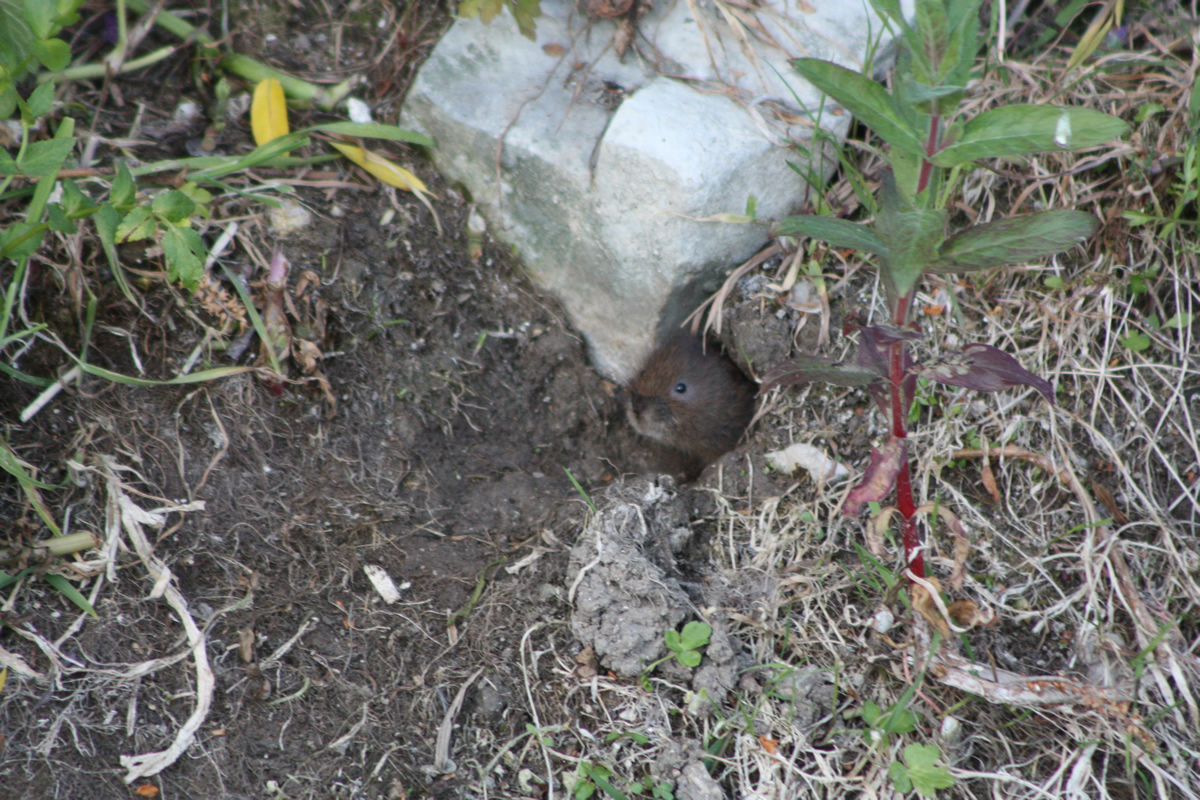
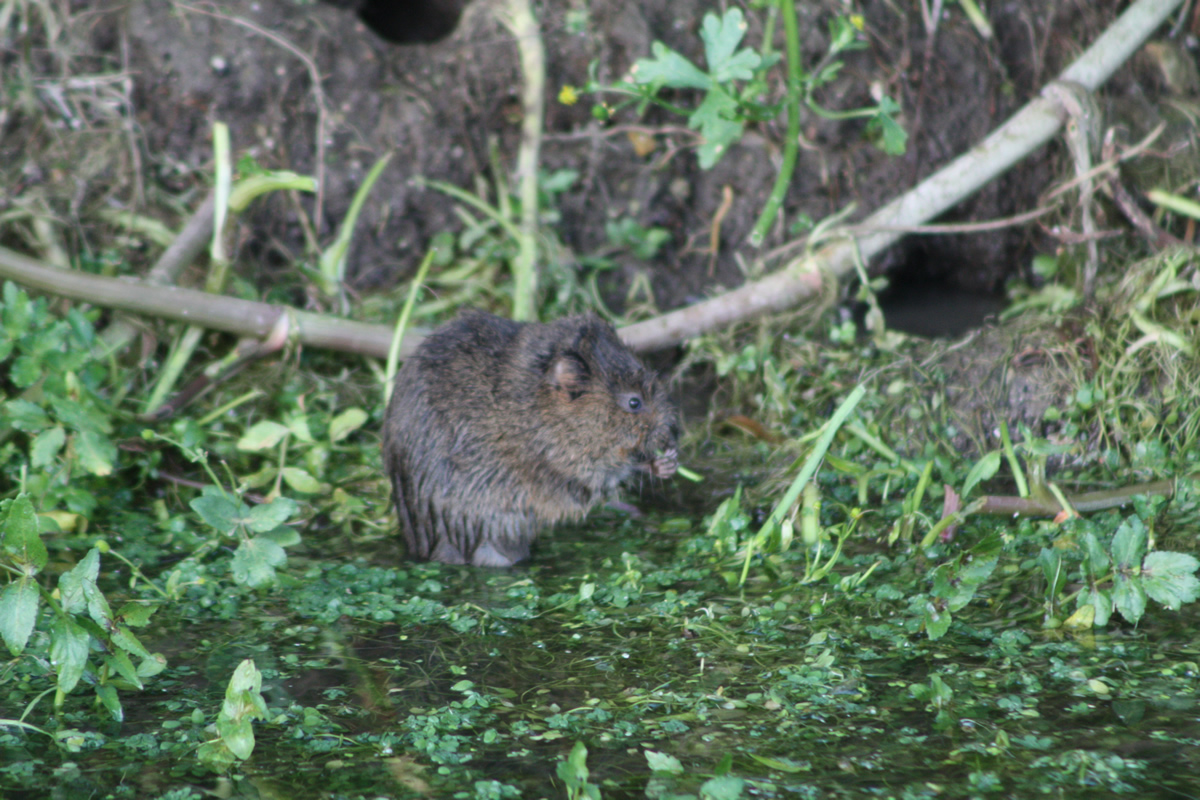
This evening, Nicole was sitting by our pond having a cuppa while I was teaching guitar.  Out of the corner of her eye, she saw movement.  Was it a mouse?  Too big.  Was it a rat?  No, it went for a swim underwater.  It was a water vole.  And not only one, there were lots.

water-vole-eatingQuickly, she ran upstairs and got her camera.  Then quietly, she returned to the pond and waited.  She had only counted to 60 when a little head appeared at the entrance to their burrow.  And soon they were scampering about, eating, swimming and doing water voley things.

We are delighted to be able to provide a natural habitat for these wonderful creatures.  A little research has told us these are in rapid decline all across the UK.  Predation by mink is the main problem, but loss of habitat isn’t helping either.

We’ll be doing everything we can to help our water voles.

Posted on Leave a comment

Ducks doing well

ducklings

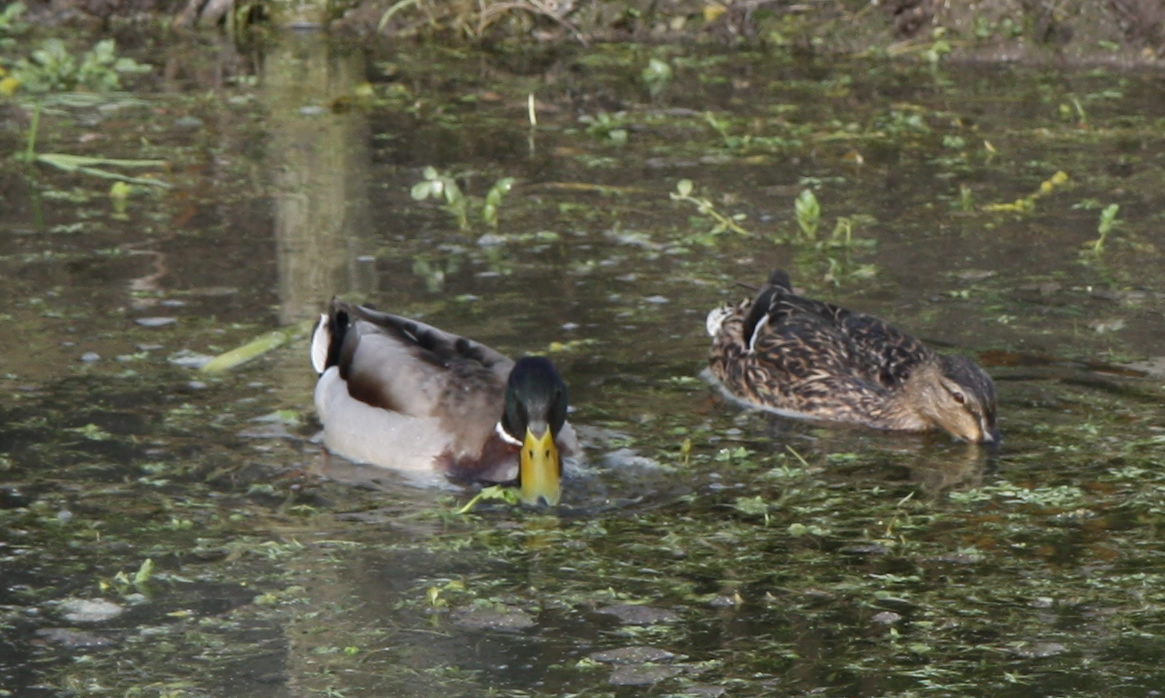
A few weeks back, a pair of ducks moved into our pond.  Though a bit fearful at first, they started to realise we meant them no harm.  The dogs were duly shown that the ducks were higher status and so left them be.

adult ducksThe clincher was our hens, once the ducks saw our hens running round us, they relaxed and soon started to come up to the chicken run to be fed, and also to help themselves to the hen’s food.

One day, they disappeared.  Occasionally, we’d see the female, but not often.  We guessed she was sitting on eggs but we didn’t look for fear of disturbing her.

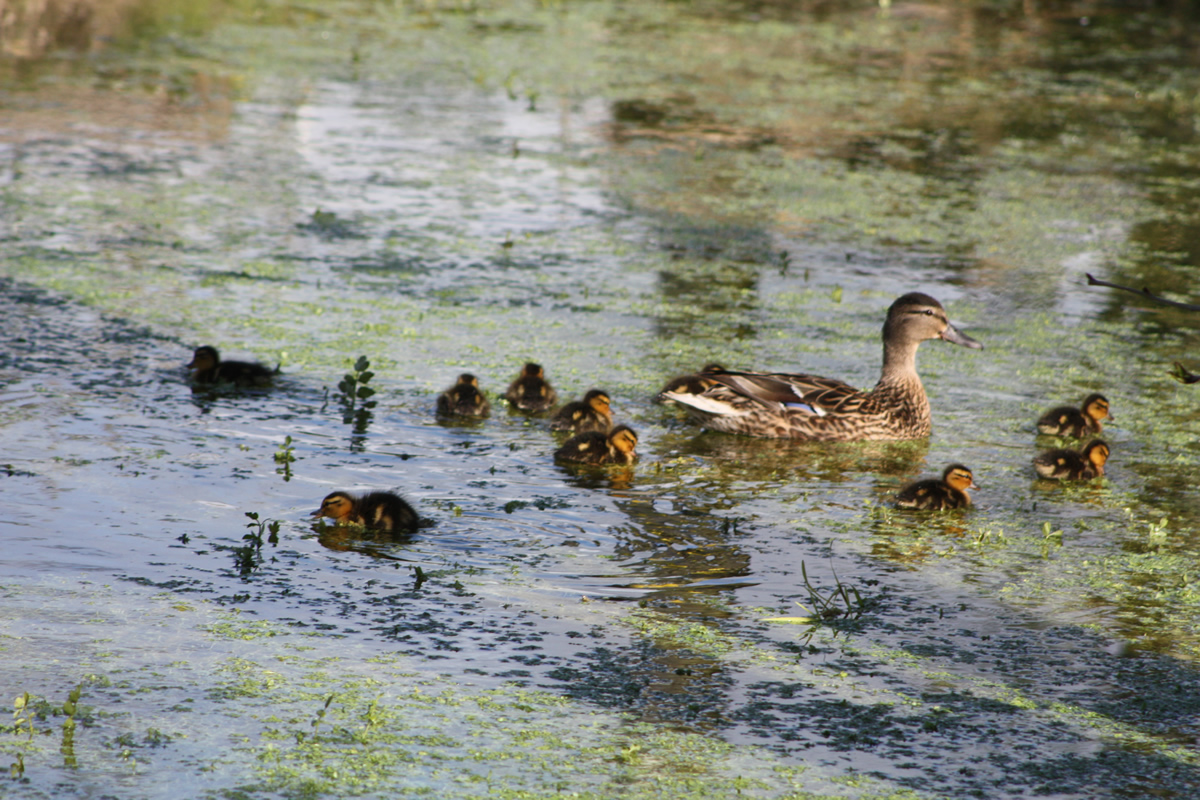
tiny ducklingsThen, one day, ducklings!  In all, she had 10 of them.  The mother had become a little wary of us, but once again, when she saw the hens, over she came and we soon had tiny ducklings all around.

Sometimes, they disappeared.  We assumed the were hiding somewhere, but it turned out she was taking them to our neighbour’s pond (which was inside their chicken area).  Clever duck, using two ponds and two food supplies.

Sadly, 3 ducklings disappeared over the space of a few days.  We suspect crows, but it could have been anything.  There are plenty buzzards around too.  On the bright side, much better than last year when 12 ducklings disappeared on jut a few days (spurring us to buy a duck house).

Now, the remaining 7 are almost fully grown.  And is it me, or does it look like she has 7 girls?

Posted on Leave a comment

Sheep Shearing doesn’t go quite to plan

adrian and nicole shearing sheep

On a warm and sunny June day, we set out to shear our three sheep.  We set up the pens and the shearing equipment and all went smoothly.  Then we gathered the sheep into the holding pan without incident.

Now, we had decided to shear in the field rather then bring them up to the stables. The first problem was that having sat the first sheep down in the holding pen, we couldn’t drag her to the shearing station (as we had done on the course) because the ground was not smooth.  OK, we let her through, sat her down and got ready to get shearing.

shearing underwayProblem two, our sheep are entirely unlike the ones we worked on on the course.  Those had lovely great bare patches on the their tummies and brisket so it was easy to get started.  Ours are completely covered, from their heads to the tips of their toes.

So shearing the tummy are took a bit longer than planned.

Problem 3, there was a slight slope and so we ended up getting out of position rather too easily.  That caused some problems in manoeuvring the handpiece.

However, we worked as a team and slowly but surely we managed to shear her.  On the bright side, with it being hot and having new equipment, the handpiece did glide smoothly through the wool.

nicole shearing sheepBut, those tricky legs and the head were not easy, mainly as we were taking great care not to hurt her.

Now, we got nearly, very nearly to finishing the first sheep when disaster struck – the drive shaft broke.  The actual driveshaft ( the bit that spins) sheared.  That wasn’t the sort of shearing we had had in mind.

So we had to finish off with the hand clippers and abandon the shearing for the day.  Tomorrow, on the phone to order a new one.

And next time, we’ll take a bit more care on getting the positioning right as we suspect we put a little too much pressure on the bendy bit (don’t know the techie term for it).

So we now have one sheared sheep and two still covered in wool.

all sheared